How to start a 360° virtual tour business
What you need to start making 360° virtual tours for clients: the kit, the skills, a portfolio, your first market, and how businesses near you find you.
By Ben Kenyon, Founder of PanoramrUpdated 4 min read
In short
A 360° virtual tour business needs less kit than most photography: a 360° camera, a tripod, a computer and tour software, which can be free to start. Learn on spaces you know before you charge, then make three to five tours of different kinds as a portfolio. Choose one market first, such as estate agents or hotels, and price the shoot and the hosting separately. List yourself where businesses look for a photographer, and put the basics in writing: what each job includes, who owns the photos, and your insurance.
What the work is
A virtual tour business photographs a place in 360°, builds the tour and keeps it online for the owner. The clients are businesses whose customers want to look round before they come: estate and letting agents, hotels, restaurants and wedding venues, schools and universities, care homes, gyms, shops and factories. Most jobs are a few hours on site and a few more at a desk, and a good tour leads to the next one, because the client's own customers see it.
What you need to start
- A 360° camera. A one-shot camera with two lenses is enough to start and to earn with; nine 360° cameras compared sets out what each makes and costs.
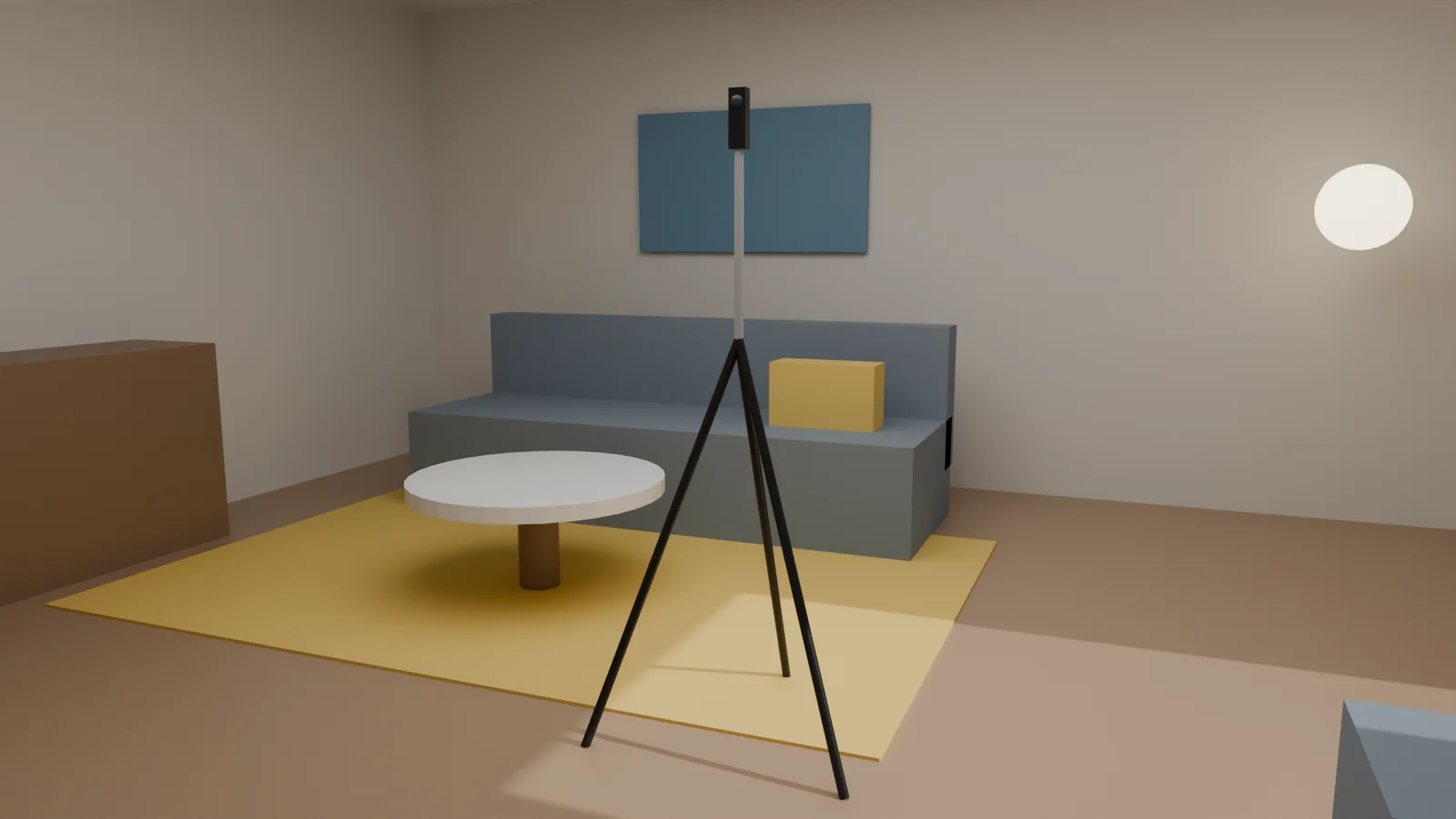
- A tripod or a light stand, slim at the bottom so it is easy to hide, and a small spirit level if the camera has no levelling of its own.
- A computer to export and check the photos.
- Tour software. Panoramr is free to make tours in; you pay only when you host them online under your own branding.
- Insurance. Public liability for working on clients' premises, and professional indemnity if you advise on what to show. Ask a broker what your work needs where you are.
Learn the craft before you charge
Practise on spaces you know: your home, a friend's shop or a local club that would welcome a free tour. Each one teaches the habits clients pay for:
- the camera level, at eye height, in the middle of each room (how to take 360° photos);
- the tripod hidden or covered (how to hide the tripod);
- bright windows and dark rooms in the same photo;
- every room linked to the next, so the tour feels like walking (how to create a tour, step by step).
Build a portfolio
Three to five finished tours of different kinds, a home, a business and something unusual, are enough to start selling. Put your own logo on them, keep them online, and choose the one you show first: the tour a prospective client opens decides whether they call you. A short screen recording of you walking through a tour works well on social media and in emails.
Choose your first market
Pick one kind of client first and learn what they need:
- Estate and letting agents need many tours, quickly, at a modest price per listing (a property tour).
- Hotels and venues need fewer tours, at a higher price, with booking buttons and other languages (a hotel tour).
- Schools, care homes and workplaces buy once a year or once a refit, and value tours that stay up to date.
Being known for one kind of work, in one area, wins more jobs than offering everything to everyone.
Price your work
Price the shoot and the build as one job, and keeping the tour online as a yearly fee, on the same quote. How to sell tours under your own brand goes through it, and what a virtual tour costs shows what clients compare you against.
Get found
- Go to the businesses you want, with your portfolio tour on your phone: a two-minute look round is a better pitch than any leaflet.
- List yourself in Hire a Creator, Panoramr's directory of 360° photographers. Any account can be listed, free, with no approval and no commission, and businesses search it by town (your creator profile).
- Help clients be seen on Google Maps. A tour can be published to Google Street View, where people searching for the business can step inside (Street View publishing).
Put the basics in writing
For every job, a short quote or agreement that says:
- what the job includes: how many rooms or photos, the notes, the design and any changes;
- how long you host the tour, what that costs each year, and what happens when it ends;
- who owns the photos and who may use them (who owns the copyright);
- that the client will clear the space and has the right to show it, including any people in it.
Questions
What equipment do I need to start a virtual tour business?
A 360° camera, a slim tripod or light stand, a computer and tour software. Many photographers start with a one-shot 360° camera, which is enough to earn with.
Do I need to be a photographer to make virtual tours?
No. The skills are learnable: level photos at eye height, good light, the tripod hidden and the rooms linked. Practise on spaces you know before you charge.
How do I find my first virtual tour clients?
Choose one kind of client, such as estate agents or hotels, show them a portfolio tour in person, and list yourself where businesses look, such as Panoramr's Hire a Creator directory, which is free.
How much should I charge for a virtual tour?
Price the shoot and the build as one job, by the number of rooms, and hosting as a yearly fee. See what clients compare against in our guide to what a virtual tour costs.
Who owns the photos in a virtual tour I make for a client?
Agree it in writing before the job. Panoramr's answer on copyright, and what we do with your images, is in our FAQ.